DIY Mushroom Watercolor Clipart Kit: Build Your Own Enchanted Forest
There’s something deeply comforting about a hand-painted mushroom. It feels both timeless and whimsical, like a page torn from a beloved storybook or a quiet moment from a walk in the woods. For designers and creators, capturing that specific, cozy magic can be a challenge. Stock images often feel generic, and creating every element from scratch is time-consuming. This is where a thoughtfully curated resource like the DIY Mushroom Watercolor Clipart Kit becomes invaluable. It’s not just a set of images; it’s a modular system for building entire worlds with a consistent, handcrafted aesthetic.
The Anatomy of a Whimsical Toolkit
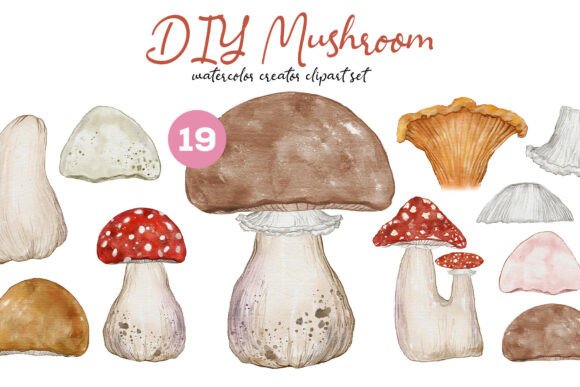
At its core, this kit is a collection of 19 high-resolution PNG elements, each with a transparent background for seamless integration into any project. The components are deconstructed, allowing for true customization. You’ll find a variety of mushroom caps—from classic red toadstools to delicate chanterelles and speckled varieties. Each cap is paired with its own stem and texture elements, so you can assemble a mushroom that perfectly fits your scene’s scale and mood. Beyond the fungi themselves, the kit includes decorative nature-inspired elements: think tiny ferns, scattered leaves, soft moss textures, and ethereal light spots. These extras are crucial for grounding your mushrooms in a believable environment, transforming a simple clipart into a cohesive watercolor mushroom composition.
The visual personality is soft, earthy, and undeniably magical. The watercolor technique gives each piece a gentle bleed and organic irregularity, avoiding the flat, sterile look of vector graphics. This premium font for the visual world, if you will, speaks a language of warmth and nostalgia. The color palette leans into muted earth tones—soft greens, warm browns, dusky pinks, and creamy whites—making it incredibly versatile for both vibrant and subdued projects. It’s a style that feels personal and crafted, instantly adding a layer of storybook charm to any design.
Where This Aesthetic Truly Shines: Real-World Applications
Understanding where a design asset works best is key to using it effectively. The DIY Mushroom Watercolor Clipart Kit excels in projects where storytelling, warmth, and a touch of fantasy are desired. Its applications span far beyond simple decoration.
- Branding & Logo Design: For businesses in the wellness, artisanal food, children’s education, or eco-friendly product space, these elements can form the basis of a memorable brand identity. A single, beautifully composed mushroom can become a logo mark that feels approachable and authentic. The hand-painted quality builds an immediate emotional connection, suggesting care and craftsmanship in the products or services offered.
- Editorial & Packaging Design: Bloggers and publishers can use these assets to create stunning featured images, chapter headings, or decorative dividers that elevate editorial design. For packaging design, especially for small-batch goods like candles, teas, or skincare, a woodland scene can communicate natural ingredients and a gentle, nurturing experience. The high-resolution files ensure crisp results on everything from digital screens to printed labels.
- Digital & Social Media: In the crowded space of social media graphics, a cohesive visual theme is everything. Using these elements to create consistent Instagram story templates, Pinterest pins, or Facebook banners can build a recognizable aesthetic that boosts engagement. The whimsical style is particularly effective for web design elements like section backgrounds, custom icons, or newsletter headers that need to stand out.
- Personal & Commercial Print Projects: The utility extends beautifully into the physical world. Crafters can design custom stationery, invitations for baby showers or fairy-themed parties, and nursery decor prints. For small business owners, the kit is perfect for creating thank-you card inserts, unique product hang tags, or festive seasonal packaging. The commercial font licensing (typically included with such kits) means these designs can be used in projects for sale.
Practical Guidance for Seamless Integration
Having a great asset is one thing; using it skillfully is another. Here’s how to get the most out of this type of kit, treating it with the same consideration you’d give a font pairing exercise.
Evaluate the Project Fit First. Before diving in, ask if the cozy, whimsical aesthetic aligns with your project’s goals. It’s perfect for a children’s book author’s website or a botanical illustrator’s portfolio. It might be less suitable for a corporate law firm’s annual report, unless the theme is deliberately playful. The style should enhance the message, not distract from it.
Layer and Compose Thoughtfully. Don’t just place a single mushroom in the center of a page. Use the provided elements to create depth. Place a textured moss element at the base, layer a mushroom stem over it, attach a cap, and then sprinkle in some of the smaller decorative leaves or light spots. This mix and match approach creates a more natural, integrated scene that feels designed rather than assembled.
Consider Context and Readability. If using these elements as a background for text, ensure sufficient contrast. A busy, colorful forest scene behind a headline can harm readability. Try using the elements in a border, as a subtle watermark at low opacity, or in a dedicated illustration space that doesn’t compete with your primary text. The goal is to support the visual hierarchy, not undermine it.
Test for Consistency Across Media. A design that looks magical on your laptop screen must also work as a printed invitation or a social media thumbnail. Check the elements at different sizes. Their high-resolution nature and transparent backgrounds make them adaptable, but always proof your final output. This practice ensures professionalism and reinforces brand recognition if used consistently across touchpoints.
In the end, a resource like the DIY Mushroom Watercolor Clipart Kit is more than a collection of design assets. It’s a starting point for imagination, a practical toolkit for injecting a specific kind of warmth and narrative into your work. By understanding its components, respecting its style, and applying it with intention, you can craft visuals that don’t just look beautiful—they tell a story that resonates. Whether you’re building a brand, publishing a book, or simply creating something lovely for yourself, this kit offers a tangible way to bring a bit of the enchanted forest into your creative process.